A ten-year visa with a flat 17% tax on foreign income sounds like a tax-haven brochure — except Thailand actually ships it. The Long-Term Resident visa is the reason Chiang Mai keeps filling up with laptops: pair it with a base cost around US$550 a month excluding rent, and the “Thailand game” is mostly paperwork, not luck. Here’s how to play it.
Thailand has long been a magnet for wanderlust‑filled freelancers, but the recent rollout of the Long‑Term Resident (LTR) Visa, rock‑solid internet speeds, and a cost of living that lets you stretch every dollar make it a top‑tier nomad destination in 2026. Below are ten battle‑tested tactics to help you settle in, stay productive, and keep more money in your pocket.
TL;DR
- Book refundables first: Lock in your initial accommodation and flights with flexible cancellation options before committing to long leases.
- Secure the LTR visa: Take advantage of the 10-year Long-Term Resident Visa for stability and a flat 17% tax rate on foreign income.
- Base in Chiang Mai: Enjoy a low base cost of living around US$550 a month excluding rent.
- Manage multi-currencies: Keep your cross-border finances seamless by utilizing digital tools to track expenses, similar to how you would manage finances using tools like the best budgeting apps for digital nomads.
Top 10 Tips for Thriving as a Digital Nomad in Thailand
1. Lock in the LTR Visa for a Decade of Stay
Thailand’s Long‑Term Resident (LTR) Visa, launched in September 2022, permits digital nomads to stay up to 10 years and taxes foreign‑sourced income at a flat 17% rate. That’s a game‑changer compared to the usual tourist‑visa hop‑scramble or the opaque‑tax regimes of other Southeast Asian hubs. With the LTR, you can sign a yearly lease, open a local bank account, and even enroll in Thailand’s voluntary health insurance scheme without worrying about visa runs every 90 days.
- Eligibility: Minimum annual foreign income of US$80,000 (or equivalent in crypto/stablecoins) or proof of employment with a qualifying company.
- Application: Submit online via the Thai Immigration Bureau; processing takes 4‑6 weeks.
- Perk: No need to renew annually—just a simple check‑in every year to keep the visa active.
2. Base Yourself in Chiang Mai for Low‑Cost Living
The average monthly cost of living for a single person in Chiang Mai, excluding rent, is approximately US$550, according to Numbeo’s September 2026 data (single-person costs, excluding rent). Add a modest one‑bedroom apartment in the Nimman area (around US$350‑$450) and you’re looking at a total monthly outflow under US$1,100—far less than what you’d spend in most Western cities. When planning your broader multi-city travels, you can compare these expenses against other emerging hubs — see what a month in Mexico City or Ho Chi Minh City really costs.
- Food: Street‑food meals cost US$1‑$2; a decent restaurant dinner tops out at US$5‑$8.
- Transport: Grab rides or songthaews average US$0.30‑$0.50 per short trip; a monthly motorbike rental is about US$80.
- Leisure: Yoga classes, Muay Thai gyms, and weekend treks to Doi Suthep are all under US$15 per session.
3. Leverage Blazing‑Fast, Affordable Internet
As of Q3 2023, the average fixed‑broadband download speed in Chiang Mai is about 30 Mbps, adequate for video conferencing and cloud‑based work. Many cafés and coworking spaces now offer symmetrical fiber connections up to 100 Mbps for a nominal fee, ensuring your Zoom calls stay crisp even during the rainy season.
- Provider Picks: TrueOnline and 3BB offer residential plans starting at US$25/month for 100 Mbps.
- Backup: Grab a local SIM from AIS or DTAC (around US$10 for 10 GB) for hotspot redundancy.
- Tip: Test speed at peak hours (7‑9 pm) before committing to a long‑term lease.
4. Tap Into Bangkok’s Coworking Scene When You Need a City Vibe
Bangkok hosted over 150 coworking spaces in 2023, with typical day passes priced around US$15, providing affordable work environments for nomads. Whether you’re after a sleek glass‑walled hub in Sukhumvit or a laid‑back, plant‑filled spot near Ari, you’ll find a desk that matches your vibe—and your budget.
- Top Spaces: Hubba Thailand, The Hive Thonglor, and Punspace (yes, they have a Bangkok branch).
- Monthly Passes: Often drop to US$120‑$150, giving you 24/7 access, meeting rooms, and free coffee.
- Networking: Many spaces host weekly pitch nights or skill‑swap workshops—great for finding collaborators.
5. Master the Art of Visa Runs (If You’re Not on the LTR)
If you opt for the standard tourist visa or a visa‑exempt stamp, you’ll need to leave Thailand every 30‑90 days. The cheapest run is a quick hop to a neighboring country—think a flight to Kuala Lumpur or a bus to Laos. Budget airlines like AirAsia and Nok Air frequently offer round‑trip fares under US$60 if you book two‑to‑three weeks ahead. Smart planners often incorporate strategies featured in guides like 14 travel hacks that’ll save you money to minimize transit expenses.
- Pro Tip: Use a “visa run” day to explore a new city; treat it as a mini‑adventure rather than a chore.
- Avoid: Overstaying—fines start at US$20 per day and can lead to detention.
6. Keep Your Money Flowing With Low‑Fee International Accounts
Traditional banks hit you with nasty FX markup and wire fees. Instead, use a multi‑currency account like Wise or Revolut to receive payments in USD/EUR, convert to THB at the mid‑market rate, and spend via a linked debit card. Both platforms offer free ATM withdrawals up to a certain limit (Wise: US$100/month; Revolut: €200/month) and real‑time exchange rates.
- Setup: Link your freelance invoicing tool (PayPal, Stripe, or Deel) directly to your Wise borderless account.
- Savings Example: Converting US$2,000 at a 2% bank markup costs US$40; Wise’s 0.45% fee saves you over US$30.
- Bonus: You can hold THB, USD, and EUR simultaneously, making it easy to pay rent, coworking fees, and travel costs without juggling multiple accounts.
7. Embrace the Local Health‑Care System (It’s Surprisingly Good)
Thailand’s private hospitals—think Bumrungrad in Bangkok or Bangkok Hospital Chiang Mai—offer world‑class care at a fraction of US prices. A routine GP visit costs about US$15, while an MRI is roughly US$200. Many nomads opt for a low‑cost travel insurance plan (e.g., SafetyWing) that covers outpatient care and emergencies, then top up with a local private policy for longer stays.
- Vaccinations: Hepatitis A/B and typhoid are recommended; most clinics charge under US$30 per shot.
- Pharmacies: Over‑the‑counter meds are cheap; a pack of ibuprofen is roughly US$2.
- Mental Health: English‑speaking therapists are available in Chiang Mai and Bangkok; sessions run US$30‑$50.
8. Build a Social Safety Net—Nomad Communities Are Thriving
Loneliness can creep in when you’re constantly moving. Thailand’s digital‑nomad scene is dense, with regular meetups, Slack channels, and Facebook groups. In Chiang Mai, the “Nomad List” meetup happens every Thursday at a coworking space; in Bangkok, the “Bangkok Digital Nomads” group hosts weekly coworking‑and‑beer evenings.
- Action: Join the “Thailand Digital Nomads” Discord (invite links are often pinned in Nomad List forums).
- Benefit: Instant access to housing leads, job gigs, and local tips—like the best mango sticky rice stall near your apartment.
- Bonus: Many communities organize skill‑shares (e.g., Python basics, copywriting workshops) that double as networking events.
9. Optimize Your Workflow for the Tropical Climate
Heat and humidity can sap focus if you’re not prepared. Invest in a good laptop stand, a silent cooling pad, and a dehumidifier for your apartment (a small 20‑pint unit runs about US$40). Schedule deep‑work sessions for the cooler mornings (7‑11 am) and save admin tasks for the hotter afternoons when you can retreat to an air‑conditioned café.
- Ergonomics: A standing desk converter (US$30) lets you alternate between sitting and standing, reducing back strain.
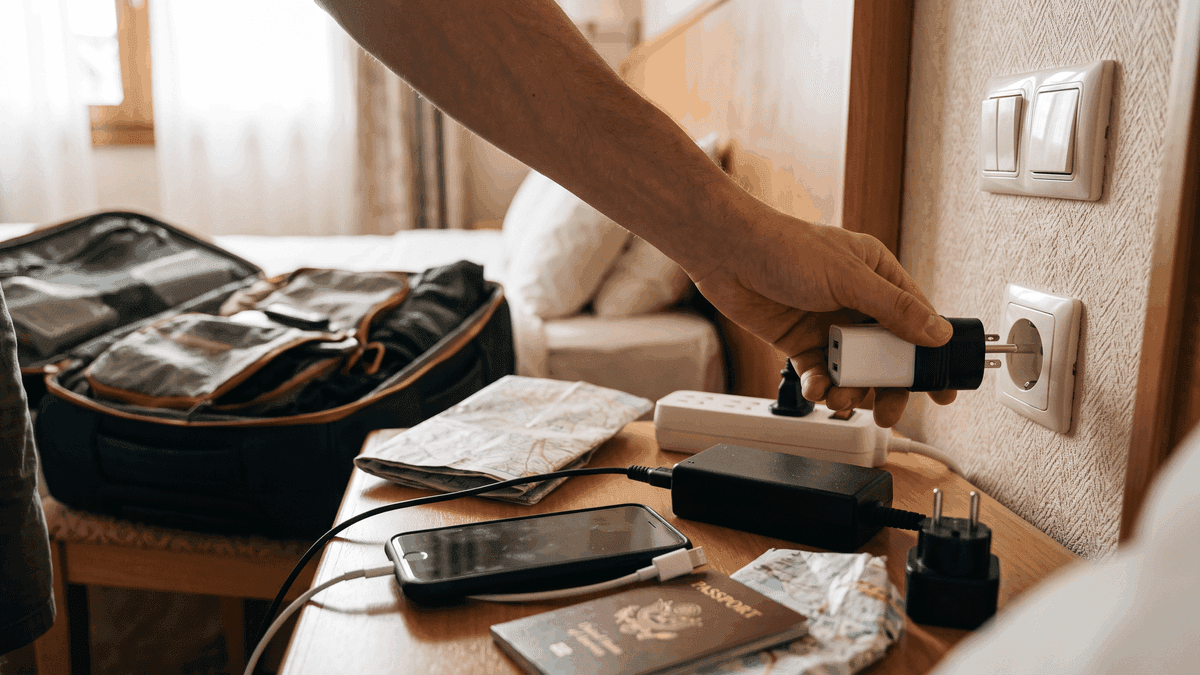
- Power: Thailand uses Type B, C, and O sockets; a universal travel adapter (US$10) covers all bases.
- Backup Power: Frequent outages are rare in cities, but a compact UPS (US$25) keeps your router alive during brief dips.
10. Plan Your Exit Strategy—Because Even Paradise Has Seasons
Thailand’s high season (November‑February) brings perfect weather but also higher prices and crowded coworking spaces. The low season (May‑October) offers cheaper accommodation (up to 30% off) and quieter cafés, albeit with daily showers. Smart nomads rotate: spend the cool months in the north (Chiang Mai, Chiang Rai) and retreat to the islands or southern Gulf coast during the rainy months, where internet remains solid and beach‑side coworking pods are popping up.
- Tool: Use Airbnb’s “price trends” graph to spot the best booking windows.
- Tip: Book a flexible lease (month‑to‑month) so you can pivot without penalty.
- Final Thought: Treat your stay as a series of experiments—track your productivity, spend, and happiness each month, then adjust your base accordingly.
Bottom Line
Living in Thailand as a digital nomad isn’t just a pipe dream; it’s a financially savvy lifestyle choice backed by concrete numbers:
- Cost of living: ~US$550/month (ex‑rent) in Chiang Mai (Numbeo, Sep 2026).
- Visa advantage: LTR Visa lets you stay up to 10 years with a flat 17% tax on foreign income (Bangkok Post, Sep 2022).
- Internet reliability: Avg. 30 Mbps fixed‑broadband speed in Chiang Mai (Speedtest, Q3 2023).
- Coworking affordability: Day passes around US$15 in Bangkok, with over 150 spaces city‑wide (Coworker, 2023).
By locking in the LTR Visa, basing yourself in Chiang Mai (or rotating with Bangkok and the islands), leveraging low‑cost financial tools, and tapping into the vibrant nomad community, you can enjoy a high‑quality life while keeping your expenses—and stress—low. Now stop reading, book that flight, and start living the Thailand‑nomad dream.
Ready to make the move? Grab a free trial of Wise, scope out a co‑living spot in Nimman, and set up your LTR Visa application today.