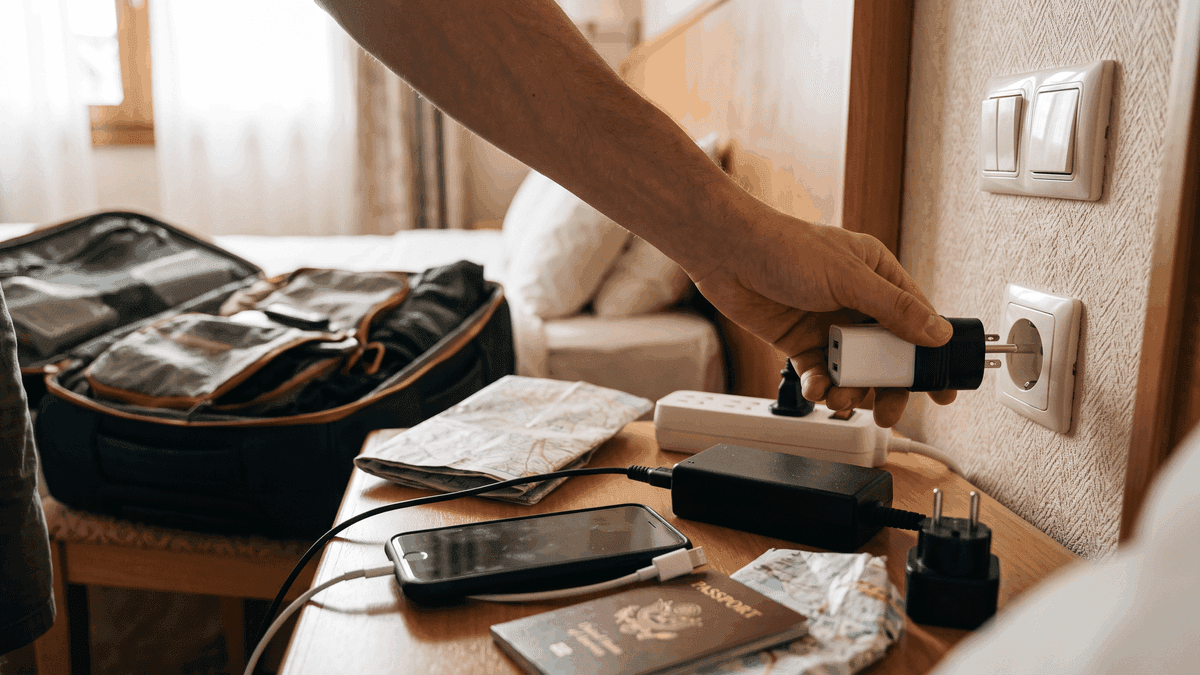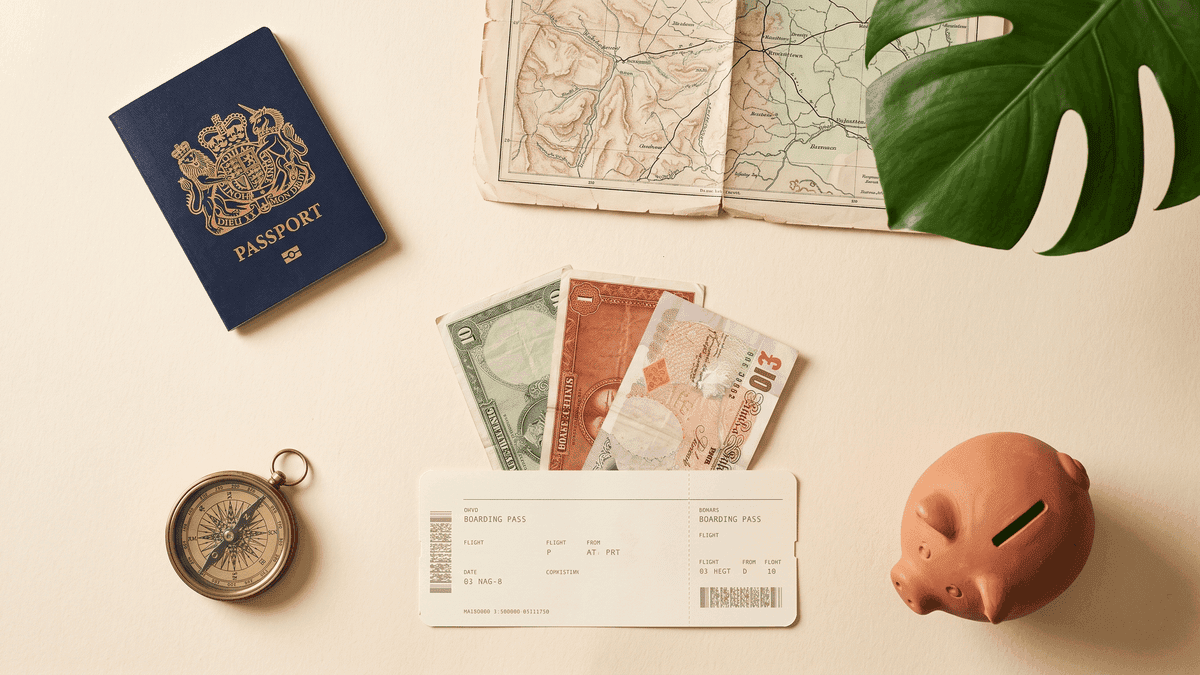
The best travel hack isn’t a packing cube — it’s refusing to pay the margins most travelers leave on the table. Weekly Airbnb stays automatically trim about 18% off standard nightly rates, shoulder-season timing drops flight and lodging costs by 20% to 40%, and skipping dynamic currency conversion dodges a hidden 3% penalty. Multiply those across a year of trips and the “budget travel” gap stops being luck. Fourteen battle-tested tricks follow, numbers attached. Last reviewed: October 2026.
TL;DR
- Book refundables first: Lock in flexible rates immediately, then monitor prices to rebook if fares drop.
- Stay a week or more: Weekly Airbnb stays automatically trim about 18% off standard nightly rates.
- Embrace the shoulder season: Traveling in April–May or September–October drops flight and lodging expenses by 20% to 40%.
- Pay in local currency: Skip dynamic currency conversion and pair a zero-fee card with the local fiat to avoid hidden 3% penalties.
Top 14 Travel Hacks That'll Save You Money in 2026
Search Flights in Incognito Mode (or Clear Cookies)
Airlines and booking sites do track your searches, and it’s easy to assume the fare creeps up each time you revisit a route. Open a private window if you’d rather not leave a trail of your travel plans across the web. Consumer tests have repeatedly found that using incognito mode makes little or no difference to displayed fares — cookies rarely move the price, and refreshing simply shows the current fare state. It’s like giving the algorithms a middle finger without leaving your couch.
- Open a fresh private window before each search.
- Delete cookies after you’ve settled on a flight.
- Compare prices across devices; sometimes the mobile app shows a different rate.
Book Airbnb Stays of a Week or More
Nightly rates can be a mirage. Stay seven nights or longer and many hosts automatically slash the price—think of it as a loyalty discount you didn’t even have to sign up for. Airbnb hosts can set automatic weekly (7+ nights) and monthly (28+ nights) discounts — 7-night stays typically run around 18% below the one-night rate, while 28+ night bookings can cut 30% or more, making extended stays significantly cheaper. Your wallet gets a breather, and you get to actually live like a local.
- Look for the "weekly discount" badge on the listing.
- Message the host to ask for a custom monthly rate if you’re staying longer.
- Combine with a kitchen to save on meals.
Travel During Shoulder Seasons (April‑May, Sept‑Oct)
Peak summer means crowds, inflated prices, and the joy of fighting for a towel spot on the beach. Shift your calendar to the shoulder months and you’ll find flights and hotels dramatically cheaper, plus weather that’s still gorgeous. Traveling during shoulder seasons (April‑May and September‑October) can cut flight and hotel costs by roughly 20–40% compared to peak summer months, per 2026 fare-tracking data. Fewer selfie sticks, more breathing room.
- Aim for early May or late September for the best balance.
- Check local festival calendars—sometimes shoulder season coincides with cool events.
- Pack layers; mornings can be crisp even when afternoons are warm.
Use a No‑Foreign‑Transaction‑Fee Card and Pay in Local Currency
That handy little 3% fee your bank adds every time you swipe abroad? It’s avoidable. Grab a card that waives foreign transaction fees and always choose to be charged in the local currency—dynamic currency conversion is a sneaky way merchants pad their profits. Paying with a credit card that has no foreign‑transaction fee and choosing to be charged in the local currency avoids the typical 3% per-transaction foreign-transaction fee. It’s basically free money you’d otherwise throw at the bank.
- Cards like Chase Sapphire Preferred, Revolut, or Wise work well.
- Disable "currency conversion" prompts at ATMs and POS terminals.
- Keep a backup card in case one gets blocked.
Pack Light to Avoid Baggage Fees
Airlines treat your suitcase like a cash cow. Stick to a carry‑on that fits the sizer and you’ll dodge those hefty checked‑bag charges—often $30‑$50 each way. Plus, you’ll move faster through airports and avoid the dreaded baggage carousel wait.
- Choose a versatile wardrobe: neutral basics that mix and match.
- Roll clothes instead of folding; saves space and reduces wrinkles.
- Wear your bulkiest items (boots, jacket) on the plane.
Use Public Transport Over Taxis/Rideshares
That Uber from the airport to your hostel might feel convenient, but the meter runs fast. Buses, trams, and metro systems are usually a fraction of the price and let you see the city like a resident. Many cities offer day passes that give you unlimited rides for under $10.
- Download the local transit app before you land.
- Look for tourist travel cards that bundle transport with museum discounts.
- If you’re night‑outing, check for night bus routes—they’re cheaper than a 2 am cab.
Eat Like a Local (Markets, Street Food)
Tourist‑zone restaurants inflate prices faster than a balloon at a kid’s party. Hit the neighborhood markets, grab a fresh baguette, cheese, and fruit, or follow the scent of street‑food stalls. You’ll eat authentic fare for a fraction of the cost and support small vendors.
- Visit markets early for the best selection and lowest prices.
- Learn a few phrases like "¿Cuánto cuesta?" to show respect and sometimes snag a better deal.
- Carry a reusable fork/spoon—some stalls charge for disposables.
Leverage Free Walking Tours
Many cities offer tip‑based walking tours led by enthusiastic locals. You get a solid orientation, hidden‑gem tips, and you only pay what you think it’s worth—often zero if you’re really strapped. When balancing your trip expenses against baseline costs like those in Mexico City, free walking tours are an essential budget buffer.
- Check platforms like Sandemans or GuruWalk for schedules.
- Tip based on your budget; even $5 helps the guide.
- Combine with a self‑guided map for sites the tour misses.
Use City Tourism Cards for Attractions
If you plan to hit multiple museums, towers, or gardens, a city pass can bundle entry and sometimes transport at a discounted rate. Do the math: if the card costs $45 and gives you access to five $15 attractions, you’re already ahead.
- Look for 24‑, 48‑, or 72‑hour options depending on your itinerary.
- Verify which attractions are included—some passes skip the big‑ticket items.
- Activate the card on your first use to maximize validity.
Travel Overnight to Save on Accommodation
Night trains, buses, or even ferries let you knock out travel time while you sleep, shaving off a night’s hotel or hostel fee. Sure, you might not get a king‑size bed, but you’ll save cash and wake up in a new destination.
- Book a couchette or recliner seat for better rest.
- Pack earplugs and an eye mask—essential for shared compartments.
- Check luggage policies; overnight transport often has stricter limits.
Use SIM Cards or eSIMs for Cheap Data
Roaming charges from your home carrier can turn a quick map check into a wallet‑draining episode. Grab a local SIM or an eSIM plan (many providers offer data‑only packs for under $10 a week) and stay connected without the shock.
- Compare providers at the airport or local convenience stores.
- Ensure your phone is unlocked before you leave.
- Top‑up online to avoid hunting for recharge cards.
Book Refundable Rates and Rebook if Price Drops
Flexible rates often cost a smidge more upfront, but they let you cancel or rebook if the price falls after you’ve reserved. Monitor fares for a few days after booking; if you spot a dip, rebook and pocket the difference.
- Use tools like Hopper or Google Flights price tracking.
- Set a calendar reminder to check rates 48 hours after booking.
- Keep the original confirmation until the new one is confirmed.
Use Cashback and Reward Portals for Bookings
Before you click "buy" on a flight or hotel, detour through a cashback site (Rakuten, TopCashback) or your credit card’s reward portal. You’ll earn a percentage back—sometimes 5‑10%—on top of any points or miles. Managing these portals alongside multi-currency spending can get complex, making the best budgeting apps for digital nomads surprisingly useful for tracking your overall savings.
- Clear cookies to ensure the portal tracks your purchase.
- Combine with a no‑annual‑fee card that offers flat cashback.
- Wait for the cashback to appear in your account before considering the money "saved."
Travel with a Group to Split Costs
Hostels, Airbnb villas, and even rental cars get cheaper per head when you share. Plus, you’ve got built‑in companions for exploring, splitting meals, and laughing at misadventures.
- Use Splitwise or similar apps to keep tabs on who owes what.
- Look for group discounts on tours or activities.
- Agree on a budget upfront to avoid awkward money talks mid‑trip.
FAQ
Q: Do I really need to clear cookies every time I search for flights? A: No — consumer tests have repeatedly found that incognito mode and cleared cookies make little or no difference to the fares you’re shown, so a fresh window does not reset the price. Use one because you’d rather not be tracked across booking sites, not because it is a discount.
Q: Are Airbnb weekly discounts guaranteed? A: Most hosts enable them automatically, but it’s worth checking the pricing details or sending a quick message to confirm. If the discount isn’t showing, ask—they may be able to apply it manually.
Q: What if my bank doesn’t offer a no‑foreign‑transaction‑fee card? A: Look into fintech alternatives like Revolut, Wise, or N26. Many have zero‑fee tiers and even offer real‑time exchange rates that beat traditional banks.
Q: Is it safe to rely on public transport in unfamiliar cities? A: Absolutely—just keep an eye on your belongings, especially during rush hour. Most systems are well‑patrolled, and you’ll get a far more authentic feel for the place than you would from a taxi window.
Bottom line
- Search smart: compare dates, airports and airlines instead of relying on incognito mode or cleared cookies — they rarely move the fare, so treat them as a privacy habit, not a discount.
- Stay longer: weekly Airbnb stays run about 18% below the one‑night rate; 28+ nights can cut 30% or more.
- Travel off‑peak: shoulder seasons (Apr‑May, Sep‑Oct) slash total trip costs by up to 40%.
- Pay wisely: a no‑foreign‑transaction‑fee card + local currency saves roughly 3% per swipe.
- Pack light, eat local, use public transport, and leverage free tours to keep daily expenses low.
- Mix in overnight travel, city passes, and group bookings for extra savings on lodging and attractions.
Now stop reading and go book that flight—your wallet (and your future self on a Lisbon balcony) will thank you.