If you drop a 20% gratuity on a casual lunch in Tokyo, you aren't being generous—you're insulting your server. Digital nomadism means constantly navigating unwritten social contracts, and nothing exposes a clueless foreigner faster than fumbling the restaurant bill. The American habit of tipping 20% for breathing does not translate across borders, and getting it wrong costs you actual cash or causes cultural friction.
TL;DR
- Book refundables first: Research local tipping expectations before you fly to avoid overspending or offending hosts.
- Keep multi-currency ready: Use smart financial apps like The Best Multi Currency Account Apps Compared to manage foreign cash without heavy ATM fees.
- Watch the locals: Never guess blind; check adjacent tables to see how native diners handle the bill.
- Never tip in Japan: East Asia strictly rejects tips, and handing over extra cash causes confusion.
Understanding the Global Tipping Landscape
Tipping is not a universal law of commerce; it's a localized compensation band-aid. In the United States, baseline wages for service workers are intentionally depressed, making tips a mandatory survival mechanism. Cross the ocean, and the economic architecture changes entirely. Service workers in other countries often receive living wages, healthcare, and mandatory paid leave built directly into the menu prices. When budgeting for your next hub, keeping your finances organized with the right The Best Multi Currency Account Apps Compared ensures you always have the right funds available without getting gouged on exchange rates.
Failing to understand these local norms means you're either throwing away hundreds of dollars a year on unnecessary gratuities or inadvertently offending your hosts. The playbook is simple: read the bill, watch the locals, and price the tip into your daily budget before you land.
| Region | Baseline Expectation | Normative Percentage | Cultural Perception |
|---|---|---|---|
| North America | Mandatory | 15% - 25% | Expected for survival |
| Western Europe | Included / Optional | 5% - 10% | Nice bonus for great service |
| East Asia | Forbidden / Rude | 0% | Confusing or insulting |
| Latin America | Expected | 10% - 15% | Supplements low base wages |
Tipping Customs Region by Region
Japan
Tipping isn't customary in Japan and isn't expected—the country's own travel guidance is blunt about it, and staff will often chase you down the street to return the cash you "forgot." Hospitality is an art form rooted in pride, not a transaction driven by commission.
- Zero tipping culture across restaurants, taxis, and hotels.
- Leaving extra cash creates unnecessary confusion for the venue staff.
- Exceptional service is acknowledged with a polite bow and a sincere arigatou gozaimasu.
Western Europe (France, Italy, and Beyond)
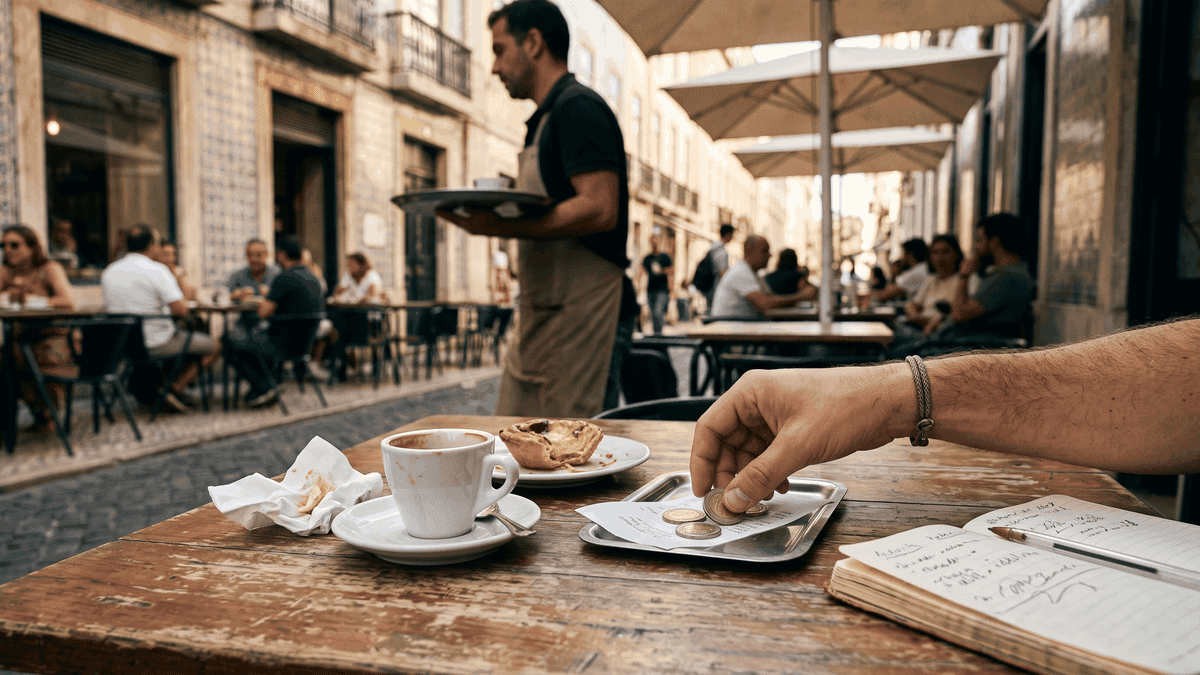
Service is built into the bill across most of Western Europe, which is why the norm there is rounding up or leaving 5 to 10 percent for genuinely excellent service—never a mandatory surcharge. You aren't subsidizing rent; you're just saying thanks for a great bottle of wine.
- Check your bill for service compris (service included) before reaching for your wallet.
- Leave small coin change or round up to the nearest €5 or €10.
- Card readers rarely have tipping prompts, so carry spare coins for cafes.
Latin America (Mexico and Beyond)
In Mexico and much of Latin America, a 10 to 15 percent tip at sit-down restaurants is customary and expected, supplementing lower base wages for service workers. Nomads working from beach towns need to factor this into their monthly dining budget—it's the one region where the North American reflex mostly transfers.
- Keep local cash handy (pesos) because digital splitting tools complicate local cash drops.
- Tip taxi drivers only if they help with heavy luggage on long intercity trips.
- Check if a propina (tip) has already been added to your bill.
East Asia (Japan and South Korea)
Across Japan and South Korea, service is built into the experience rather than rewarded with cash. Trying to hand a cab driver extra won't win you any points; it will just create an awkward cultural standoff.
- Hotel porters and spa attendants will reject cash tips politely or look genuinely confused.
- Premium international hotels in major hubs are the sole exception to this rule.
- Focus on learning local gratitude phrases instead of tipping your way out of social friction.
Oceania (Australia and New Zealand)
Strong minimum wages mean your morning flat white in Sydney or Auckland doesn't require a surcharge. Tipping is appreciated for exceptional service but never obligatory, and a 10-15% tip only enters the picture at full-service city restaurants.
- Tipping apps are virtually non-existent; card terminals put the control in your hands.
- Rounding up the bill at upscale bistros is a safe middle ground.
- Service staff view tips as a nice bonus, not a core component of their livelihood.
The Trade-Offs of Adapting
Adapting to local tipping norms shifts your identity from an oblivious tourist to a culturally literate nomad, but it has real costs worth naming before you fly.
- Saves you 15% to 20% on everyday dining bills across Europe and Asia.
- Avoids insulting local service workers with inappropriate cash handouts.
- Simplifies payment processing when using multi-currency cards like Wise or Revolut.
- Requires mental math and research before visiting every new country.
- Can feel uncomfortable if you're conditioned to the aggressive American tipping model.
- Occasional ambiguity in tourist-heavy zones where Americanized expectations are creeping in.
Bottom Line
Research local customs before landing in any new nomad hub, because a few minutes of reading saves 15% to 20% on unnecessary dining surcharges. When in doubt, look at what locals at adjacent tables are doing rather than guessing, and keep small cash handy for the places where a tip is genuinely appreciated as a wage supplement. East Asia is the one hard rule: keep your wallet closed and thank people with words instead.
FAQ
Should I tip delivery drivers when using apps like Glovo or UberEats abroad?
It depends entirely on the country. In Latin America, tipping a small cash amount to app delivery drivers is customary. In Western Europe or Japan, it is rarely expected, though leaving a euro or two in-app for rainy-day deliveries is appreciated.
Do I need to tip hotel housekeeping staff?
In North America and Latin America, leaving a small daily tip for housekeeping is standard practice. In Europe, it's less common, and in Japan, leaving money on a hotel pillow will usually result in the staff chasing you down to return it.
What happens if I accidentally tip too much in a country like Japan?
Nothing catastrophic, but you will cause a minor administrative headache. The server or cashier will assume you made a math error or dropped your change by mistake and will rush to return every single yen to your hand.