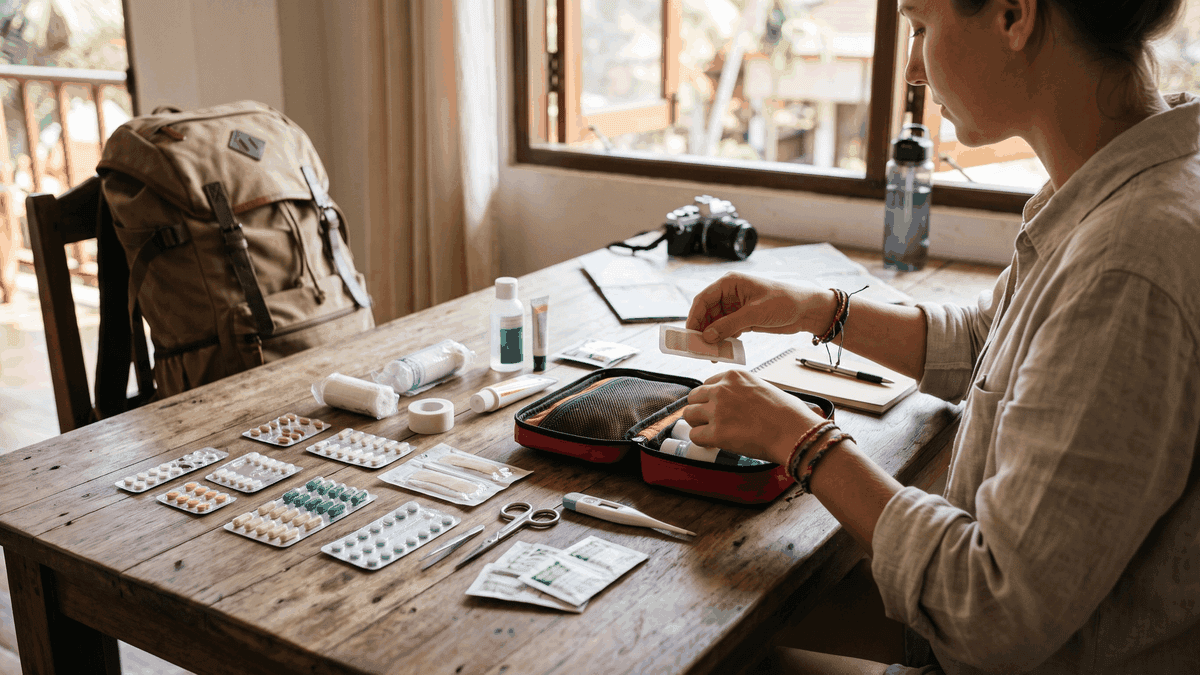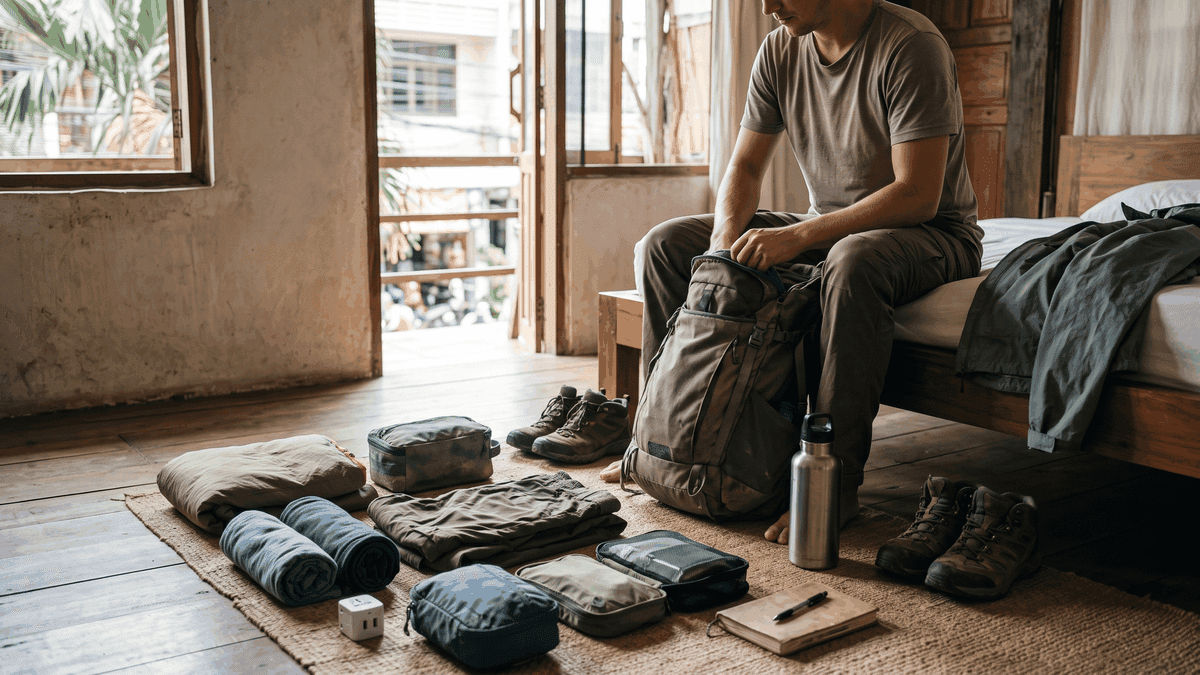
If you drop a $4,000 insulin pump in a Bangkok taxi or run out of your blood pressure medication three months into a six-month stint in Lisbon, standard travel insurance won't save you—in fact, many traditional policies explicitly exclude coverage for pre-existing medical conditions altogether. Geoarbitrage sounds like a cheat code until your health catches up with your remote work lifestyle. But managing chronic conditions while living abroad doesn't mean you're chained to your home country's broken healthcare system. You just need a playbook that anticipates what the insurance companies and airlines won't tell you.
TL;DR
- Stockpile 90 days: Secure up to a three-month supply of your prescription medications at home before departure, along with an official doctor's letter and proper pharmacy labeling.
- Pack smart gear: Keep critical pharmaceuticals in your carry-on alongside durable organizers and tools like those recommended in our guide on building a first aid kit for long-term travel.
- Go bilingual: Carry a laminated medical ID card listing your conditions and generic drug names in both English and the local language.
- Know your insurer: Ditch standard policies for specialized expat health plans, and ensure you know how to file an international health insurance claim abroad before a medical emergency hits.
Top 5 Strategies for Securing and Transporting Your Meds
90-Day Home Country Stockpile
Before you pack your bags, your first logistical hurdle is getting past airline and customs restrictions with enough pharmaceutical firepower to last you through the honeymoon phase of your trip. Securing up to a 90-day supply of prescription medication from home before departure is often possible, but requires specific doctor documentation and adherence to airline regulations. Don't just toss your pills into a random bag; get your physician to write a comprehensive letter detailing your diagnosis and necessity for onboard transport.
- Obtain an official doctor's letter on clinic letterhead.
- Keep all medications in their original, labeled pharmacy packaging.
- Pack your critical pharmaceuticals in your carry-on luggage, never in checked bags.
The Multilingual Medical ID Card
Crossing international borders with heavy-duty prescriptions means dealing with customs agents who might view your daily regimen with suspicion. The CDC advises travelers with chronic illnesses to keep taking prescribed medicines as directed and to carry a card listing health conditions plus a medication list in English and, if possible, the local language. This simple laminated card can save you hours in a foreign airport or emergency room.
- Include generic chemical names, not just brand names.
- List emergency contact numbers for your home physician.
- Translate severe allergies and emergency instructions into the local dialect.
Pre-Departure Medical Sign-Off
Too many nomads wing their health logistics and deal with the fallout when a chronic flare-up hits a rural island in Southeast Asia. Before departure, travelers with chronic conditions should talk with their doctor about whether long flights and overseas travel are advisable, and ask about medical centers or resources in the destination country. Knowing where the nearest accredited hospital is located before you touch down is pure self-defense.
- Map out English-speaking clinics near your coworking space or accommodation.
- Discuss time-zone changes and how they impact your dosing schedule.
- Secure digital copies of all medical charts and test results in a cloud vault.
Local Pharmacy Arbitrage
Once your initial home-country supply runs out, you're going to need a local solution that doesn't involve paying US-level retail markups. Digital nomads can often access affordable prescription medications out-of-pocket in countries with universal healthcare or lower drug price regulations, sometimes making local purchase cheaper than importing. You might walk into a local pharmacy in Mexico City or Bangkok, hand over your script, and pay a fraction for a month's supply of a drug that costs hundreds back home.
- Research local generic brand equivalents before visiting a pharmacist.
- Verify if your specific medication requires a local doctor's consultation to re-prescribe.
- Compare out-of-pocket local costs against international shipping services.
Emergency Protocol and Local Contacts
Health emergencies don't care about your project deadlines or your weekend travel plans. UC EAP recommends consulting a doctor before altering a medication regimen and knowing whom to contact locally at the first sign of distress. Trying to self-diagnose a complication over a spotty Wi-Fi connection is a fast track to disaster.
- Save local emergency services numbers into your phone contacts immediately.
- Keep your specialized nomad insurance policy number easily accessible.
- Establish a check-in routine with a trusted friend or family member back home.
Insurance Providers Compared for Chronic Care
| Provider | Pre-Existing Coverage | Direct Billing | Best For |
|---|---|---|---|
| Standard Travel Insurer | Excluded | Rare | Short vacations only |
| SafetyWing Nomad Health | Limited/Optional | Varying | General remote workers |
| Specialized Expat Plans | Full (with underwriting) | Yes | Long-term chronic care |
Navigating Specialized Expat Insurance vs. Local Care
Finding the right financial backing for your chronic condition requires understanding the fine print of global health policies. Traditional travel insurance treats pre-existing conditions like a ticking time bomb, refusing to pay out for any flare-ups related to your history.
Specialized Expat Health Insurance
- Comprehensive coverage, access to private hospitals, often includes medical evacuation.
- Underwritten plans cover chronic maintenance and routine check-ups.
- High monthly premiums that scale aggressively with age.
- Lengthy medical underwriting processes before approval.
Local Healthcare System Integration
- Extremely low out-of-pocket costs for prescriptions and routine doctor visits.
- Immersive experience and access to localized medical knowledge.
- Language barriers in public clinics and hospitals.
- Bureaucratic delays and residency paperwork requirements.
Bottom Line
- Secure a 90-day medication supply and proper documentation before your flight.
- Ditch standard travel insurance in favor of specialized nomad or expat health policies Expatica Healthcare Guide.
- Carry a bilingual medical ID card and map out local clinics ahead of time CDC Traveling with Medicine.
- Leverage local pharmacy pricing for affordable prescription refills abroad.
FAQ
Can I pack my prescription needles and syringes in my carry-on?
Yes, TSA and international aviation authorities generally allow medically necessary liquids, gels, and aerosols—including injectors and syringes—in carry-on luggage, provided you carry the corresponding prescription documentation from your doctor.
What happens if my specific medication is illegal in my destination country?
Certain common medications are heavily restricted or entirely illegal in countries like Japan or the UAE. Always check the narcotics control board regulations of your destination before departure.
Should I buy local health insurance or rely on international nomad plans?
If you have complex chronic needs requiring continuous specialist care, a dedicated international expat health plan with underwriting is usually safer than relying solely on local public healthcare systems or basic nomad policies.
Sources
- Expatica Healthcare Guide
- CDC Traveling with Medicine
- International Insurance Chronic Conditions Advice
- UC EAP Health Study Guide