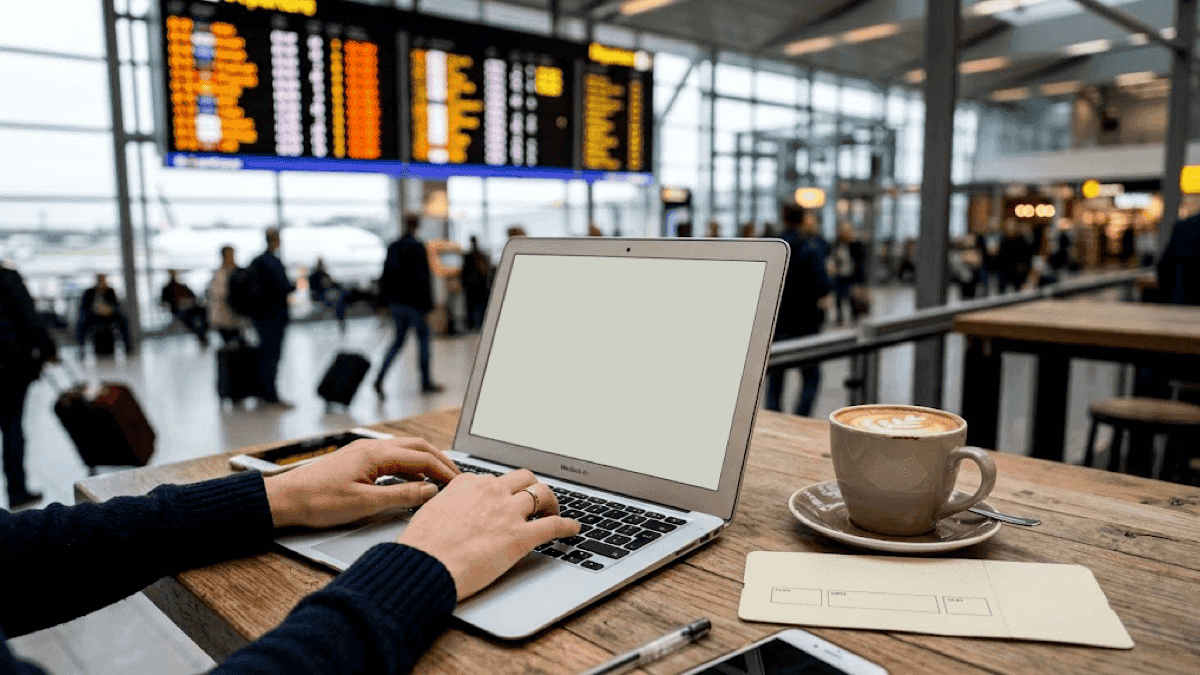
You can slash your digital security risk by a huge margin for less than the cost of a daily coffee, protecting your sensitive data from prying eyes on public Wi-Fi. Forbes Advisor’s 2024 VPN survey found that 80% of users rely on a VPN for increased security — the reason most remote workers treat it as essential. If you're a digital nomad, this isn't just good practice—it's non-negotiable.
TL;DR
- Shield public Wi-Fi: Always activate your encrypted tunnel before joining networks in cafes, airports, or coliving spaces abroad.
- Pick your provider: Choose ExpressVPN for all-around reliability across its expansive global network, NordVPN for censorship-heavy regions, or Surfshark for unlimited device connections.
- Verify no-logs policies: Stick with audited providers to guarantee your browsing habits and client data remain completely private.
- Mind your speeds: Connect to nearby server locations to minimize latency while handling video calls or heavy client files.
Picture this: you’re typing away on a laptop at a cliff-side café in Ubud, the scent of frangipani in the air, when your connection drops and a warning pops up about an unsecured network. Suddenly your inbox, client files, and that half-finished pitch deck are exposed to anyone sniffing the Wi-Fi. Sound familiar? That’s precisely the headache a VPN prevents, giving you a secure tunnel to the internet no matter where your travels take you.
Why a VPN Is Non‑Negotiable for Nomads
Forbes Advisor’s 2024 survey found that 80% of VPN users use one for increased security and 66% to protect personal data — both vital on public Wi-Fi abroad. This isn't paranoia; it's a realistic assessment of the digital risks you face when you hop from coworking spaces to airport lounges, or even that charming café with "free Wi-Fi."
The Risks You Face Without a VPN
Without a VPN, you're essentially broadcasting your digital life. Here are the concrete dangers you expose yourself to:
- Public Wi-Fi Hacks: Malicious actors can easily intercept your data on unsecured networks, stealing passwords, banking details, and session cookies.
- Geo-Restricted Content Blocking: Your favorite streaming services, essential work tools, or even news sites can become inaccessible due to your perceived location.
- ISP Throttling: Your internet service provider might deliberately slow down your connection for certain activities, turning video calls into a pixelated nightmare.
- Government Surveillance: In regions with strict internet controls, your online activities can be monitored, logged, and even censored.
- Data Theft: Client confidentiality and your personal information are at risk, potentially leading to identity theft or business breaches.
- Price Discrimination: Websites can track your IP address to adjust prices for flights, hotels, or online purchases, making you pay more based on your location.
Bottom line: if you’re moving between networks you don’t control, a VPN isn’t optional—it’s the digital lock on your backpack.
Top VPNs for Digital Nomads
When it comes to picking a provider, three names consistently surface in expert roundups and traveler forums. These aren't just popular; they deliver the features and reliability you need on the road.
| VPN | Key Strength | Server Coverage | Notable Feature |
|---|---|---|---|
| ExpressVPN | Top-rated overall | 94 countries | Strict no-logs policy |
| NordVPN | Censorship-busting | 60+ countries | Obfuscated servers for China/Iran |
| Surfshark | Unlimited devices | 100+ countries | Unlimited simultaneous connections |
General Pros & Cons of Premium VPNs
While each VPN has its unique strengths, here's what you can generally expect from these top-tier services:
Pros:
- Robust Encryption: All three offer industry-leading encryption, keeping your data secure from snoopers.
- User-Friendly Apps: Intuitive applications across laptops, phones, and tablets mean you're protected with a single tap.
- 24/7 Live Chat Support: When you're in a different time zone and facing a connection issue, round-the-clock support is invaluable.
Cons:
- Monthly Pricing: Opting for monthly plans can feel pricey; longer subscriptions offer significant savings.
- Speed Dips: Routing your traffic through an encrypted tunnel can cause minor speed reductions, especially on very distant servers (this is normal for any VPN).
- Limited Free Trials: Most premium VPNs offer money-back guarantees rather than extended free trials, requiring an initial commitment.
ExpressVPN
ExpressVPN is rated the top VPN for digital nomads, offering servers in 105 countries and a strict no-logs policy. This combination makes it a solid all-rounder for hopping between continents without worrying about logs or location limits.
- Expansive Global Network: Connect to servers in 94 countries, ensuring fast and reliable connections almost anywhere you land.
- Independently Audited Privacy: Their no-logs policy isn't just a claim; it's been verified by third-party audits, giving you peace of mind.
- Intuitive Interface: Easy-to-use apps mean you can secure your connection quickly, even if you're new to VPNs.
NordVPN
NordVPN includes obfuscated servers designed to bypass internet censorship in restrictive regions such as China and Iran. If your route takes you through firewalled territories, these specialized servers disguise your VPN traffic as regular HTTPS, making it harder to detect and block.
- Specialized Obfuscation Technology: Essential for bypassing strict internet censorship in countries like China and Iran.
- Double-VPN Option: Route your traffic through two VPN servers for an extra layer of encryption and anonymity.
- CyberSec Suite: Blocks intrusive ads, trackers, and malicious websites, enhancing your browsing security.
Surfshark
Surfshark allows unlimited simultaneous device connections under a single subscription, ideal for travelers with multiple gadgets. That means you can protect your phone, tablet, laptop, and even a smart TV without buying extra seats or juggling accounts.
- Unlimited Device Count: Protect every single gadget you own—and your travel companions'—under one subscription.
- CleanWeb Blocker: An integrated feature that blocks ads, trackers, and malware for a cleaner, faster browsing experience.
- Whitelister Split-Tunneling: Choose which apps or websites bypass the VPN, perfect for local banking services that might flag VPN usage.
How to Choose the Right VPN for Your Nomad Lifestyle
Even with the facts above, the "best" VPN truly depends on your specific work habits and travel destinations. Remember, 80% of VPN users rate security as their top reason to use one—so start by weighing what matters most to your unique nomad journey.
Key Factors for Your VPN Choice
When you're shopping for a VPN, don't just pick the cheapest option. Consider these critical factors:
- Server Coverage: More countries mean more connection options, which translates to better local speeds and greater access to geo-restricted content. ExpressVPN's 94-country network is a prime example.
- Privacy Policy: Always look for providers with independent audits and a crystal-clear no-logs stance. Your data privacy is the whole point.
- Speed Performance: Test with a short trial or money-back guarantee. A fast connection is crucial for video calls and large file transfers.
- Device Compatibility: Ensure the VPN offers user-friendly apps for all your operating systems (Windows, macOS, Android, iOS) and consider router firmware support for protecting all devices on your local network.
- Customer Support: When your connection drops in a foreign land, 24/7 live chat support can be a lifesaver. Setting up a secure connection is especially vital when evaluating destinations like Chiang Mai or tackling tax considerations like The 183-Day Rule: How Tax Residency Actually Works from foreign coffee shops.
Tips for Using a VPN While Traveling
A VPN is only as good as the habits you build around it. Since Surfshark allows unlimited simultaneous device connections under a single subscription, you have no excuse not to stay protected across all your gear without juggling accounts.
Smart VPN Habits for Nomads
Integrate these practices into your daily digital routine to maximize your security and connectivity:
- Connect Before Public Wi-Fi: Always activate your VPN before joining any public Wi-Fi network, even if it claims to be "secure."
- Utilize Obfuscated Servers: If you're entering a region with strict internet censorship (like China or Iran), proactively switch to obfuscated servers (e.g., NordVPN's offering) to avoid detection.
- Enable the Kill Switch: This critical feature automatically cuts your internet connection if the VPN drops, preventing accidental data exposure.
- Optimize Server Selection: For the best speeds, always connect to the nearest available server. Switch locations only when you need to access geo-restricted content.
- Keep Apps Updated: Regularly update your VPN application to ensure you have the latest security patches and features.
Bottom Line
- A VPN is a low-cost, high-impact shield for your data on the road; 80% of VPN users agree security is the top reason to use one.
- ExpressVPN leads with a massive 105-country server base and a strict no-logs policy, making it the top all-rounder.
- NordVPN shines in restrictive zones thanks to its specialized obfuscated servers, designed to bypass censorship in places like China and Iran.
- Surfshark offers unmatched value by allowing unlimited simultaneous device connections under a single plan, perfect for gadget-heavy nomads.
- Your ultimate choice depends on your specific travel patterns, the number of devices you carry, and your personal balance of speed, privacy, and censorship circumvention needs.
FAQ
Is using a VPN legal everywhere?
In most countries, VPNs are perfectly legal. However, a few nations, such as China and Iran, restrict or ban their use. NordVPN includes obfuscated servers specifically designed to bypass internet censorship in these restrictive regions, helping you stay connected even where VPNs are frowned upon. Always check local laws if you're unsure.
Will a VPN slow down my internet?
Some speed loss is normal because your traffic is encrypted and routed through an extra server. However, this impact is usually minimal with premium providers. Choosing a nearby server location and a provider with a large, optimized network—like ExpressVPN’s 105-country footprint—helps keep any speed reduction negligible.
Can I use one VPN subscription on multiple devices?
Absolutely. Many premium VPNs allow multiple concurrent connections. Surfshark, for example, stands out by allowing unlimited simultaneous device connections under a single subscription, ideal for travelers with multiple gadgets. Most other premium VPNs offer at least five to ten concurrent connections.
Do I need technical skills to set up a VPN?
Nope. Modern VPN apps are designed for ultimate user-friendliness, often featuring one-click install and connect functionalities. If you can download an app and tap a button, you possess all the technical skills required to secure your connection.
Are free VPNs worth it for digital nomads?
Generally, no. Free VPN services often come with significant trade-offs: they might log your data, impose severe bandwidth caps, inject ads, or even sell your browsing information—precisely the opposite of what a privacy-focused nomad needs. Investing in a reputable paid provider ensures strong encryption, a strict no-logs promise, and reliable performance that keeps your work and personal data safe.